
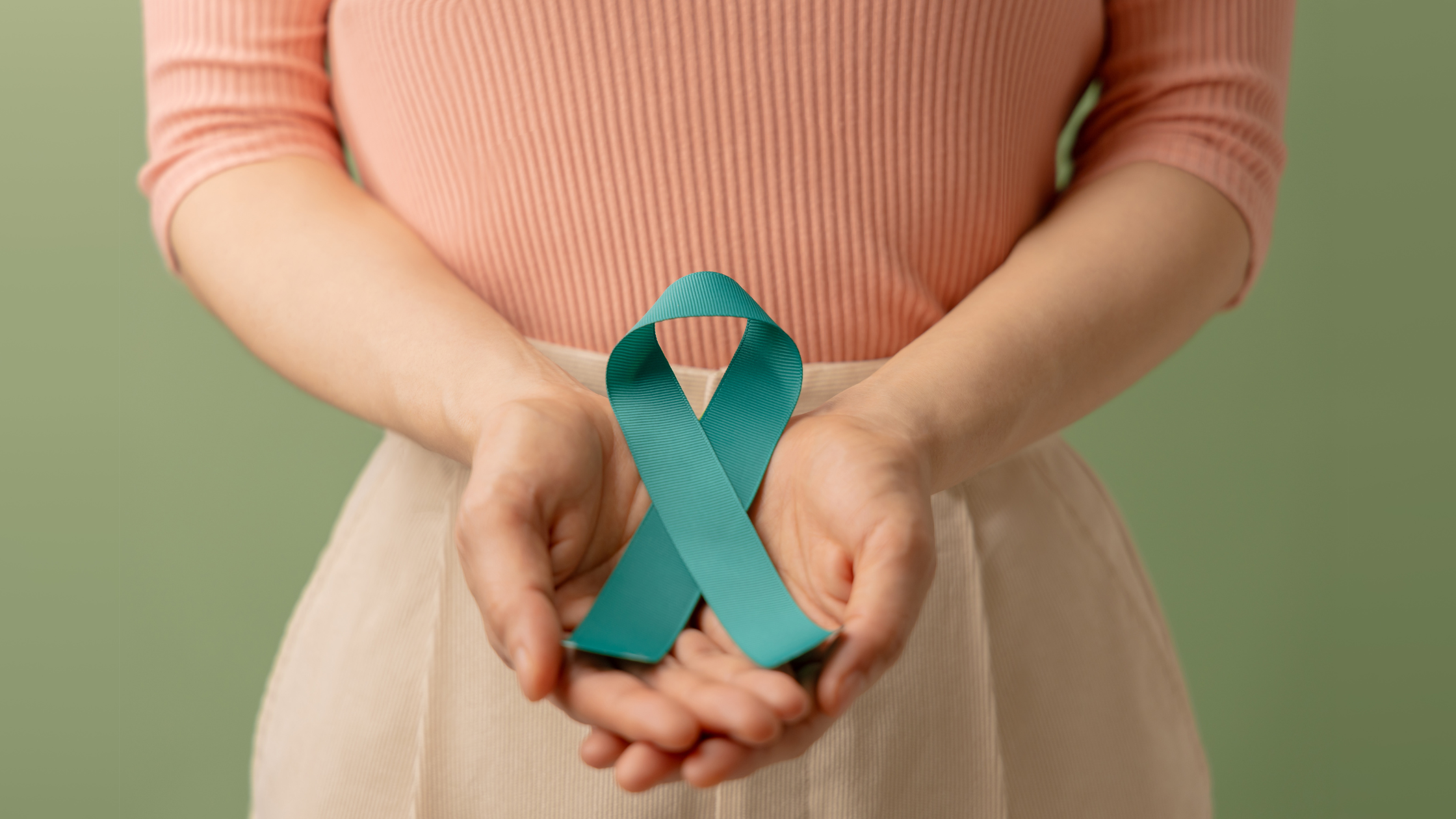
Welcome back to Just Appetizers for Optimum Living! Here, we focus on three essential pillars: emotional wellness, purpose-driven living, and meaningful living. Today, we are diving into a deeply personal and important topic: managing PTSD with mindfulness. This is a journey many of us understand intimately, and I want to share some tips that have helped me find a sense of peace and healing.
Understanding PTSD
First, let’s define PTSD, or Post-Traumatic Stress Disorder. PTSD is a mental health condition triggered by experiencing or witnessing a traumatic event. Symptoms can include flashbacks, nightmares, severe anxiety, and uncontrollable thoughts about the event. It’s like a shadow that lingers, making it hard to move forward.
Why Mindfulness?
Mindfulness is the practice of staying present and fully engaging with the current moment without judgment. Studies have shown that mindfulness can significantly reduce PTSD symptoms by helping individuals create a safe mental space where they can process their emotions without being overwhelmed. According to a study published in JAMA, mindfulness-based treatments have shown a significant reduction in PTSD symptoms compared to traditional therapies.
Tips for Practicing Mindfulness
Here are some mindfulness practices that have been instrumental in my healing journey. Remember, these are just appetizers—simple yet powerful steps to get you started.
1. Breathing Exercises
Start with something as simple as breathing. When you feel anxiety creeping in, try this:
- Find a quiet spot and sit comfortably.
- Close your eyes and take a deep breath in through your nose for a count of four.
- Hold your breath for a count of four.
- Exhale slowly through your mouth for a count of six.
- Repeat this cycle for a few minutes.
This exercise can ground you in the present moment and help calm your nervous system.
2. Body Scan Meditation
This practice helps you connect with your body and release tension:
- Lie down or sit comfortably.
- Close your eyes and take a few deep breaths.
- Slowly scan your body from head to toe, noticing any areas of tension or discomfort.
- As you focus on each area, imagine sending your breath to that spot, releasing the tension with each exhale.
3. Mindful Walking
Walking can be incredibly therapeutic. Try this on your next walk:
- Walk slowly and deliberately, focusing on each step.
- Pay attention to the sensation of your feet touching the ground.
- Notice the sights, sounds, and smells around you.
- If your mind wanders, gently bring it back to the act of walking.
4. Journaling
Writing can be a powerful way to process emotions. Here’s how to start:
- Set aside a few minutes each day to write.
- Focus on your feelings and thoughts without judgment.
- You can also try writing about things you’re grateful for, which can shift your focus to positive aspects of your life.
Benefits of Mindfulness for PTSD
Practicing mindfulness can lead to profound benefits:
- Reduced Anxiety: Mindfulness helps you stay grounded, reducing the intensity of anxiety and panic attacks.
- Better Sleep: By calming your mind, mindfulness can improve sleep quality, helping you feel more rested.
- Increased Self-Awareness: Mindfulness helps you understand your triggers and reactions, empowering you to manage them better.
- Emotional Regulation: It enhances your ability to manage intense emotions, fostering a sense of inner peace.
Application in Daily Life
Incorporating mindfulness into your daily routine doesn’t have to be overwhelming. Start small. Dedicate just a few minutes each day to practice mindfulness, whether it’s through breathing exercises, meditation, or mindful walking. Gradually, you’ll find it easier to bring a mindful awareness to more aspects of your life, helping you navigate through PTSD with more ease and resilience.
Remember, you are not alone on this journey. Many of us are walking this path alongside you. If you find these tips helpful, share your experiences in the comments below. What mindfulness practices work for you? How has mindfulness impacted your journey with PTSD?
If you’re looking for more support, consider joining a mindfulness group or seeking help from a therapist trained in mindfulness-based therapies. Let’s continue to support each other in our pursuit of emotional wellness, purpose-driven living, and meaningful living.
Stay Inspired, Stay Connected
Thank you for joining us on this journey toward optimum living. Your stories and insights make our community more vibrant. Remember, every small step you take towards emotional wellness, living with purpose, and finding meaning in your everyday life matters.
Optimum Living: Embrace Wellness, Live with Purpose
Sybil F. Bull~ Optimum Cultivator


 Just Appetizers